Best Speakers for Meditation (2026): Top Picks for Every Budget
| 🏆 Best overall | Bose SoundLink Flex — best sound clarity for guided meditation |
| 💰 Best budget | Anker Soundcore 2 — excellent value, 24hr battery |
| 🌿 Best for outdoor/garden | JBL Flip 6 — IP67 waterproof, great outdoors |
| 🔑 What to look for | Warm sound, no harsh highs, good battery, simple controls |
| ❌ What to avoid | Heavy bass-boosted speakers — muddy for voice & nature sounds |
The right speaker can genuinely transform a meditation session — a clear, warm sound helps you settle into breathwork or a guided session without distraction. The wrong one, all punchy bass and coloured audio, pulls you out of it. Here’s what actually matters when choosing a speaker for meditation, and which ones we’d recommend.
Best Speakers for Meditation — Full Reviews
✨ Lily’s top 3 picks
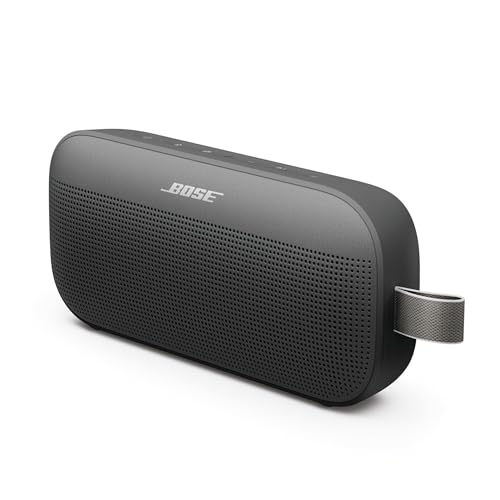

1. Bose SoundLink Flex — Best Overall
The Bose SoundLink Flex is the standout pick for meditation because of how it handles the midrange — voices, nature sounds, and guided meditation audio all sound natural and clear without any harshness. Bose’s PositionIQ technology automatically adjusts the sound depending on whether the speaker is standing upright, lying on its side, or on a surface, which means it sounds good wherever you place it in a meditation space.
The 12-hour battery life covers any meditation session comfortably, it’s IP67 rated so it handles bathroom steam or outdoor garden sessions without issue, and the controls are simple enough that you can adjust volume without breaking focus. At higher price points for meditation speakers, this is the one worth spending the money on.
Best for: Home meditation rooms, guided sessions, practitioners who want the best audio clarity available in a portable speaker.
2. Anker Soundcore 2 — Best Budget Pick
If you want a capable meditation speaker without spending Bose money, the Anker Soundcore 2 is the most reliable option at the budget end. The 12W stereo sound with dual drivers gives it more clarity than similarly priced speakers, and the 24-hour battery life is genuinely exceptional — most practitioners can go weeks of daily sessions without charging.
The IPX7 waterproof rating handles the same conditions as the Bose at a fraction of the price, and the minimalist design with no LED lights means it doesn’t create visual distraction in a meditation space. BassUp technology is adjustable — worth turning down for pure meditation use where the default is slightly too emphasised.
Best for: Beginners, anyone on a budget, or practitioners who want a no-fuss dedicated meditation speaker without a large investment.
3. JBL Flip 6 — Best for Outdoor Meditation
The JBL Flip 6 is the best option if you meditate outdoors — in the garden, at the beach, or during yoga retreats. The IP67 dust and waterproof rating is robust, the 12-hour battery handles full-day outdoor use, and the racetrack-shaped driver delivers full-range sound without the muddy bass that plagues many portable speakers at this price point.
The PartyBoost feature lets you pair two Flip 6s for larger spaces or group sessions. Sound quality is slightly more coloured than the Bose — it has more energy in the low-mids — but for outdoor use where ambient noise competes, this actually works in its favour.

Best for: Outdoor meditation, yoga sessions, retreats, or any practice where weather resistance and battery life are priorities.
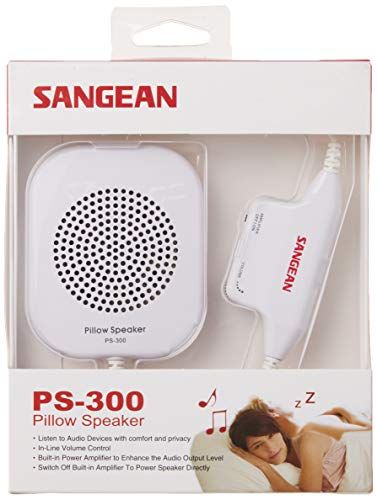
4. Sangean PS-300 Pillow Speaker — Best for Sleep Meditation
If your meditation practice includes falling asleep to guided audio, sleep meditation, or body scan practices done in bed, a pillow speaker is a completely different tool from a Bluetooth speaker — and worth knowing about. The Sangean PS-300 sits inside your pillowcase and delivers clear audio directly to your ear at very low volumes, without disturbing a partner and without needing to wear anything on your head.
The flat profile means you don’t notice it while lying down, and it connects via a standard 3.5mm jack to your phone or audio player. It’s not wireless, but for sleep and lying-down meditation the cable is easy to manage. Audio quality is limited by the small driver but perfectly adequate for voice-based guided meditations and ambient soundscapes at low volume.
Best for: Sleep meditation, body scan practices, anyone who meditates lying down and wants low-volume audio without wearing headphones.
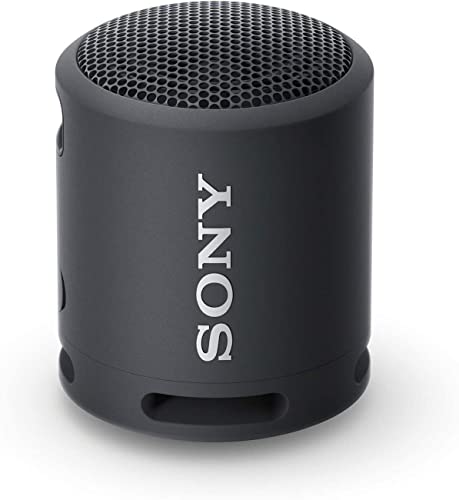
5. Sony SRS-XB13 — Best Compact Option
The Sony SRS-XB13 is the most compact option on this list — small enough to fit in a pocket, making it genuinely useful for practitioners who meditate in different locations throughout the day. Despite its size, the audio quality is good enough for meditation use: clear voice reproduction, no harsh treble, and a 16-hour battery life that outlasts most sessions.
IP67 rated, very light, and simple to operate. It won’t fill a large room but for personal practice in small spaces — a bedroom, office, or quiet corner — it’s a practical and affordable option. The extra bass button is best left off for meditation use.
Best for: On-the-go practitioners, small spaces, those who want the most portable option possible.
What Makes a Good Meditation Speaker?
Most speaker reviews focus on bass response and volume. For meditation, neither of those matters much. What you actually want is:
- Clear midrange — guided meditations and teacher voices should sound natural, not tinny or boomy
- No audio fatigue — you may be listening for 30–60 minutes, so harsh highs or over-emphasised treble become tiring fast
- Good battery life — 12+ hours means you’re not interrupted mid-session by low battery warnings
- Simple controls — you don’t want to fumble with an app or complex button sequences while settling into a session
- Portability — if you meditate in different spots (bedroom, garden, studio), a compact Bluetooth speaker beats a desktop unit
Wired vs Bluetooth for Meditation
Wired speakers generally offer slightly better audio quality at the same price point, but for meditation the convenience of Bluetooth wins. Being able to place a speaker anywhere in a room without cable management, or take it outside for garden sessions, is worth the marginal audio trade-off. All three speakers above connect via Bluetooth and maintain a stable connection within normal room distances.
Can You Use Any Bluetooth Speaker for Meditation?
Yes — but some work much better than others. Gaming speakers and party speakers are designed to emphasise bass and volume, which isn’t what you want for guided meditations or ambient sound. If you already own a decent Bluetooth speaker, try it for a session before buying something new. The key test is whether voices sound natural and whether you can listen comfortably for a full 30 minutes without the sound feeling tiring.
Frequently Asked Questions
Do I need special speakers for binaural beats?
For true binaural beats you actually need headphones — the effect requires different frequencies in each ear simultaneously, which speakers can’t achieve. Speakers work well for ambient meditation music, guided sessions, and nature sounds, but if binaural beats are your focus, a good pair of over-ear headphones is the right tool.
What volume should I use for meditation?
Low to moderate — you want the sound to be present without dominating. A good benchmark is being able to hear someone speak at normal volume over the audio. Loud music activates the nervous system rather than calming it, which works against the purpose of the practice.
Is it better to meditate in silence or with music?
Both have their place. Silence is ideal for breath-focused or mindfulness practices. Music, nature sounds, or guided audio can be helpful for beginners or for longer sessions where maintaining focus is harder. Most practitioners use a mix depending on the session.
Can I use a Bluetooth speaker for meditation?
Yes — a good Bluetooth speaker works well for most meditation sessions. The main consideration is sound quality: you want clear, warm audio without harshness or distortion, particularly at lower volumes where most meditation listening happens. Battery life matters too if you meditate for extended periods. The speakers in this guide all perform well at low to medium volume, which is where meditation audio actually lives.
What type of speaker is best for a small meditation room?
For a small room, a single quality bookshelf or compact wireless speaker is usually sufficient — you don’t need stereo separation or high output to fill a small space. Look for a speaker with a warm, balanced sound signature rather than one tuned for bass or brightness. 360-degree speakers work particularly well in small rooms as they fill the space evenly without directional hot spots. For a dedicated meditation or Reiki treatment room, see our guide to setting up a Reiki treatment room for how sound fits into the overall space.
How loud should meditation music be?
Quiet enough that you can hear it clearly without it demanding attention — typically around 40–50 decibels, which is roughly the level of a quiet conversation. The goal is ambient presence rather than active listening. If you find yourself noticing the music rather than settling into your practice, it’s probably too loud. Most practitioners find a volume where the audio blends into the background and can be forgotten is the ideal level.
Author Profile
-
Lily spent the first fifteen years of her career as a lawyer — contracts, arguments, precedent, and not much time for anything you'd call "energy work." A stress-related injury in her late 30s sent her to a massage therapist, and something about the work stuck.
She trained as a massage therapist herself, then kept going: Reiki certification, and a slow pull into the wider world of energy-based and spiritual practice she'd probably have cross-examined a witness for mentioning a decade earlier.
Now in her 50s, Lily runs RestoreQi the way she wishes a site like it had existed when she started out — written by someone who's actually done the training and tested the products, not just repackaged what everyone else says. She's still a practicing massage therapist and Reiki practitioner, and she brings the same habit from her legal career to everything she writes here: check the evidence, and don't take a claim at face value just because it sounds ancient.
Latest entries
 Singing BowlsJune 27, 2026Best Crystal Singing Bowls (2026): Top Picks for Every Budget
- Massage TablesMay 31, 2026Best Massage Table Face Cradle (2026): Comfort, Compatibility and the Sinus Problem Nobody Fixes
- Massage TablesMay 31, 2026Best Massage Table Sheets (2026): Material, Oil Resistance and How Many Sets You Actually Need
- Massage TablesMay 31, 2026Best Massage Table Warmer (2026): The Honest Comparison Professionals Need