Reiki Table vs Massage Table: Which One is Right for You?
Quick answer: For most Reiki practitioners, a standard massage table with Reiki end panels works perfectly well — and costs less than a dedicated Reiki table. But there are specific situations where a dedicated Reiki table is worth the investment.
This guide explains the real differences so you can make the right call for your practice.
What Is a Reiki Table, Really?
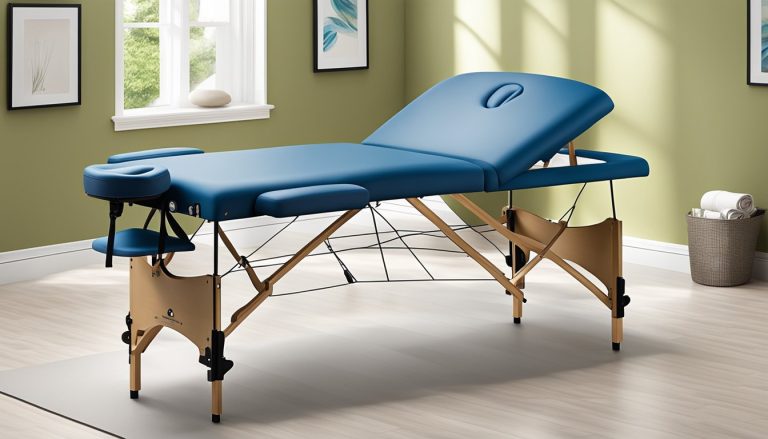
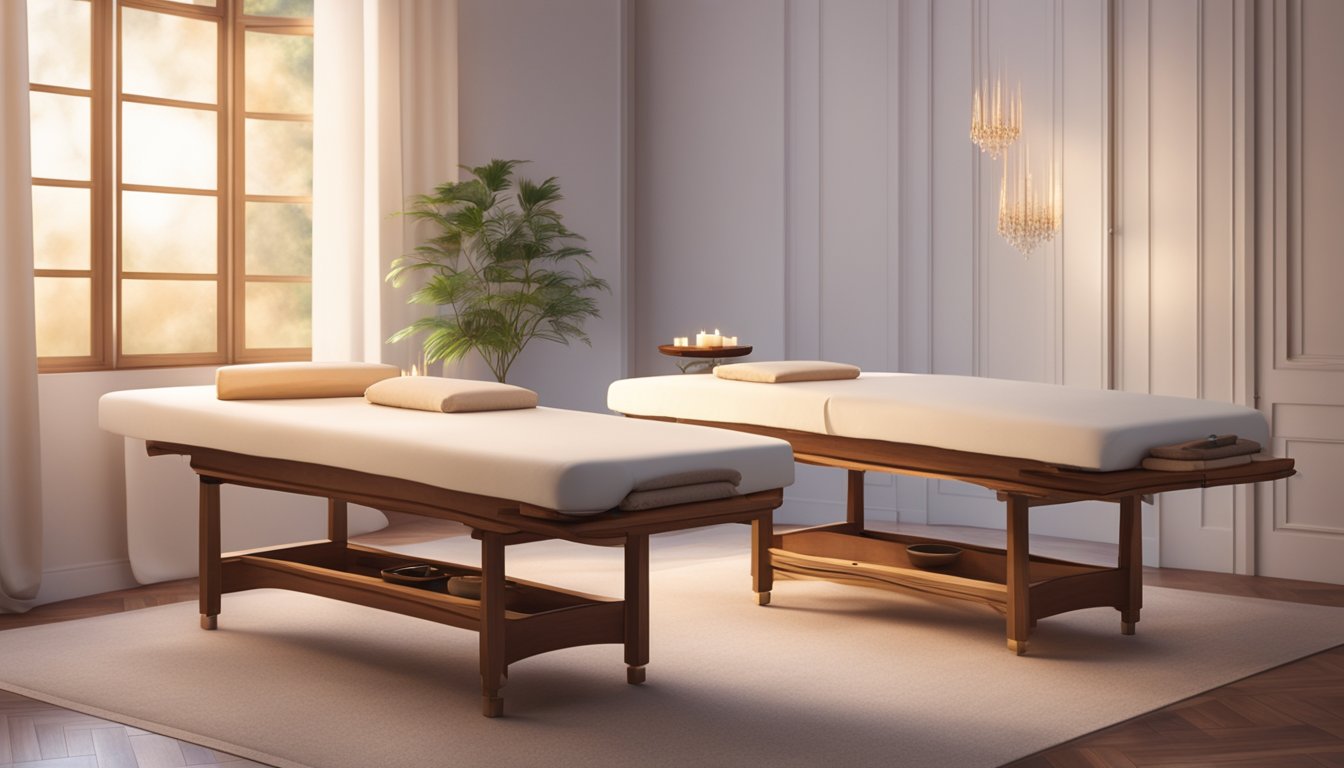
Here’s something that surprises a lot of new practitioners: a “Reiki table” isn’t a completely different piece of equipment from a massage table. It’s largely a massage table with one key structural modification — Reiki end panels (also called Reiki panels or open end panels).
Standard massage tables have solid wooden end panels that brace the legs at knee height. This keeps the table stable, but it gets in the way when you’re seated at the head or foot of a client, trying to work from a stool. Reiki panels solve this by moving the brace to the very top of the legs, out of the way of your knees — giving you full, unobstructed access to sit close to the table.
That’s the core difference. Everything else — width, padding, height adjustability, weight capacity — is just a matter of which model you’re buying.
The Main Differences Side by Side
| Feature | Standard Massage Table | Reiki Table / Reiki End Panel Table |
| End panel position | Knee height (limits practitioner access) | Top of legs or open (full access) |
| Typical width | 28–30 inches | 27–30 inches |
| Padding thickness | 2–3 inches standard | Often 3+ inches |
| Weight | 30–40 lbs (portable) | 28–40 lbs (portable) |
| Price range | £80–£400+ | £120–£500+ |
| Best for | Massage therapy, physical bodywork | Energy work, seated practitioners, Reiki |
Does It Actually Matter Which You Use?
For Reiki specifically, the end panel design genuinely matters. When you’re seated at the head of the table channelling energy for 60–90 minutes, having your knees pressed against a wooden brace is uncomfortable — and over time, it can affect your posture and focus.
That said, many practitioners — especially those just starting out — use a standard massage table and get on fine. If budget is a concern, a good quality massage table used with a stool is a perfectly reasonable starting point.
Where a proper Reiki table (or Reiki end panel option) becomes important:
- You do a high volume of sessions (3+ per day)
- You work seated at the head or foot of the table frequently
- You offer mobile Reiki and travel to clients
- You want the cleanest possible setup for your practice space
Recommended Tables: What to Actually Buy
Best Overall: Earthlite Harmony DX with Reiki End Panels
Earthlite is the benchmark brand in this space — practitioners who’ve tried several tables tend to come back to them. The Harmony DX is their mid-range portable table, and the Reiki end panel version gives you full knee access. It’s made from sustainably harvested hardwood, weighs around 28 lbs, and comes with a lifetime frame warranty.
The foam is 2.5 inches of high-density padding, which is enough for most clients but can be topped with a table pad if you want extra comfort.
Best Mid-Range: Saloniture Professional Portable Massage Table with Reiki Panels
The Saloniture is a well-regarded mid-range option that punches above its price point. It features a hardwood frame with genuine Reiki end panels, 3 inches of high-density memory foam padding, and a weight capacity of 450 lbs. It comes as a complete package with an adjustable headrest, face cradle, armrests, and a carry case with a shoulder strap — everything you need out of the box.
It’s a good choice for practitioners who want Reiki panel access without spending Earthlite money. The memory foam padding is particularly comfortable for longer sessions, and reviewers consistently note how easy it is to set up and break down.
Best Budget Option: BestMassage Portable Massage Table
If you’re just starting out, haven’t yet built a client base, or simply want to get hands-on with Reiki work without a large upfront investment, the BestMassage portable table is a popular entry-level choice and one of the longest-standing budget options in this category. It’s been sold on Amazon for years, has thousands of reviews from Reiki and massage practitioners, and comes with a carry case, face cradle, and armrests included — everything you need to get started.
The 2.5-inch high-density foam padding and beech maple hardwood frame are solid for the price, and the table supports up to 450 lbs. It doesn’t have dedicated Reiki end panels, but for practitioners starting out and working primarily standing rather than seated, it’s a perfectly functional table. When you’re ready to upgrade, you’ll know exactly what features matter most to you.
Best for Mobile Practitioners: Earthlite Avalon with Reiki End Panels
If you travel to clients, weight and portability matter more than almost anything else. The Avalon is Earthlite’s travel-focused table — lighter than the Harmony DX, with the same Reiki end panel option available. It includes a carry case and comes with a lifetime frame warranty. The single-layer 2-inch foam is slightly less plush than the Harmony DX, but for practitioners on the move the weight saving is worth it.
As with all Earthlite tables, it’s made from sustainably sourced maple with water-based finishes. If you’re doing regular home visits or working across multiple locations, this is the table to get.
Best Table Topper: Therapist’s Choice Memory Foam Massage Table Topper
Whatever table you’re using, adding a memory foam topper makes a noticeable difference to client comfort — especially for longer Reiki sessions where clients lie still for 60–90 minutes. The Therapist’s Choice topper is 2 inches of memory foam at 70 x 30 inches, which fits most standard massage tables. The velour cover is removable and machine washable, and elastic straps keep it in place during sessions.
Clients consistently notice the difference, and it’s an easy upgrade that costs a fraction of a new table.

Essential Accessories Worth Having
A table on its own isn’t quite the full setup. Here’s what else you’ll want:
Waterproof table cover — protects both the table and the client, and is non-negotiable for hygiene between sessions. Look for ones that fit your specific table dimensions.
Fitted table sheets — wrinkle-proof microfibre ones are worth the investment. They look professional, feel soft against the skin, and wash well over hundreds of uses.
Adjustable practitioner stool — if you do a lot of seated energy work at the head of the table, a height-adjustable stool is much kinder on your back than standing throughout.
Table carry bag or trolley — most portable tables come with a carry bag, but if you’re doing regular home visits, a wheeled trolley case takes the strain off your back significantly.
Can You Use a Massage Table for Reiki?
Yes — and many practitioners do, especially in the early stages. The main limitation is the end panel position getting in the way of seated work. Some massage tables now offer a “Hi/Low” end panel option which gives you a standard panel at one end and a Reiki-style open panel at the other — a good compromise if you offer both massage and energy work.
If you already own a massage table and don’t want to replace it, consider whether the end panel actually bothers you in practice. Some practitioners adapt their positioning and work around it without issue.
Frequently Asked Questions
Can a Reiki table support a heavy client? Most professional Reiki tables are rated for 225–250 kg (500–550 lbs). Check the specific weight limit on any table before purchasing, especially for budget models.
How wide should a Reiki table be? Most practitioners find 27–30 inches (68–76 cm) to be the ideal range. Wider tables are more comfortable for clients but slightly harder to reach across during treatment. 28 inches is a common sweet spot.
Is a portable or static table better for Reiki? Portable tables are the standard choice for the vast majority of practitioners — they can be stored away, used for home visits, and travel easily. Static tables are generally only worth considering if you have a permanent treatment room with no space constraints.
What’s the difference between Reiki panels and standard end panels? Standard end panels brace the table legs at knee height, which blocks a seated practitioner’s access. Reiki panels (also called open end panels) position the brace at the very top of the legs, leaving your knees free to tuck underneath the table comfortably.
Do I need to buy a Reiki-specific table or can I modify a massage table? You can’t easily retrofit Reiki panels onto a table that was built with standard panels — the leg structure is different. If Reiki panel access matters to you, it’s worth specifying this when you buy rather than trying to work around it later.

The Bottom Line
For most Reiki practitioners, the best move is a mid-range portable table with Reiki end panels — the Earthlite Harmony DX being the standard recommendation among working practitioners. If budget is tight, start with a less expensive massage table, get some sessions under your belt, and upgrade when you know what you want.
The accessories — particularly a table pad, waterproof cover, and a good set of fitted sheets — make as much difference to the overall client experience as the table itself.