Best Crystals for Anxiety: A Grounded Guide (Not a Substitute for Help)
Crystals come up a lot in conversations about managing everyday stress and anxious moments, and I get asked regularly which ones are actually worth having. I want to be upfront: I’m not a therapist, and crystals aren’t a treatment for anxiety as a clinical condition. What I can tell you is which stones come up most often in genuine practice, and how people actually use them as part of a calming routine — alongside whatever else helps you, not instead of it.
If anxiety is something you’re genuinely struggling with day to day, please talk to a doctor or therapist. What follows is a grounding ritual some people find helpful, not a substitute for that.
The Crystals That Come Up Most Often
Amethyst is the one most people reach for first. It’s associated with calm and clarity, and a lot of people keep a piece by their bed or carry one in a pocket during a stressful day.

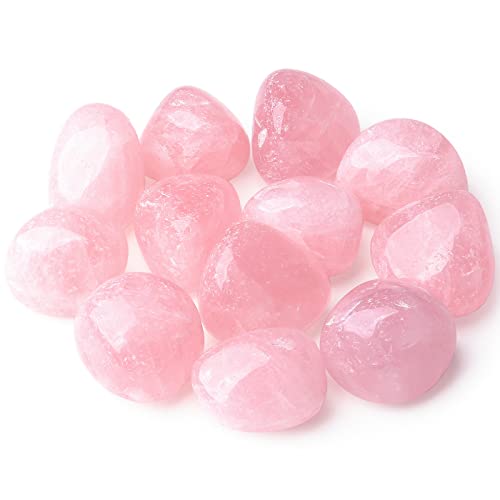
Rose Quartz is linked to self-compassion rather than calm specifically — useful if your anxiety tends to show up as self-criticism or overthinking rather than physical tension.
Black Tourmaline has a grounding, protective reputation. People often describe it as the one that helps them feel less exposed or overwhelmed in a busy environment.

Lepidolite contains lithium in trace mineral form, which is part of why it’s associated with emotional steadiness — though to be clear, this is a vastly smaller amount than anything used medically, so don’t read into that beyond the symbolic association.
Blue Lace Agate is a gentler stone, often recommended for anxiety that shows up as a racing mind rather than physical tension — something to hold rather than something with a specific “job.”
How People Actually Use Them
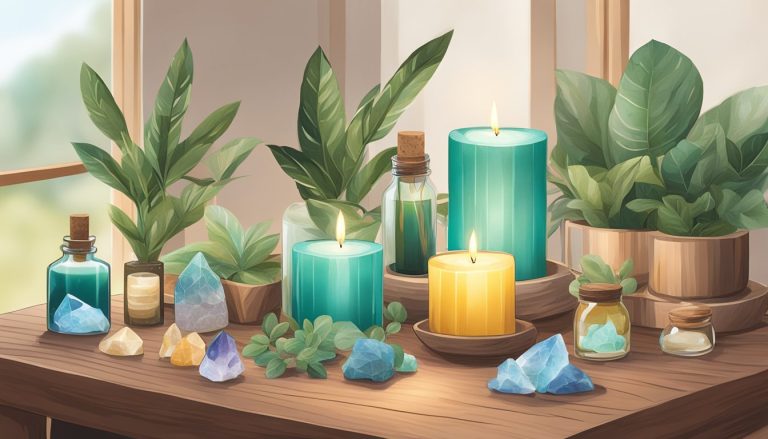
The most common approach is simply carrying or wearing one — a pocket stone, a bracelet, or keeping a piece on a desk where you’ll see it during a stressful day. Some people build it into a brief grounding ritual: holding the stone, taking a few slow breaths, and just pausing for a minute before responding to whatever’s causing the stress.
None of this requires anything elaborate. The ritual of pausing and holding something tends to do as much as the specific stone itself — which is worth knowing if you’re sceptical about the crystal part specifically but still want to try the practice.
Choosing the Right One for You
There’s no single “best” crystal for anxiety — it depends on how your anxiety tends to show up. If it’s physical tension, something grounding like black tourmaline tends to suit better. If it’s more of a racing, overthinking mind, blue lace agate or amethyst might fit better. If self-criticism is the bigger pattern, rose quartz leans that way. Honestly, picking the one that you’re drawn to is a reasonable approach too — there’s no wrong choice here.
Frequently Asked Questions
Do crystals actually work for anxiety?
There’s no scientific evidence that crystals have a direct physiological effect on anxiety. What does seem to genuinely help many people is the ritual itself — pausing, holding something, taking a breath. Treat crystals as a grounding tool that supports a calming habit, not as a treatment.
What is the best crystal for anxiety?
Amethyst is the one most commonly recommended, but which one suits you depends on how your anxiety shows up. Black tourmaline for physical tension, blue lace agate for a racing mind, rose quartz if self-criticism is part of the pattern.
How do I use a crystal for anxiety?
Carry it in a pocket, wear it as jewellery, or keep it somewhere you’ll see it during the day. Some people pair it with a brief pause — holding the stone and taking a few slow breaths when anxiety spikes.
Can crystals replace anxiety medication or therapy?
No. If you’re managing anxiety as a clinical condition, please work with a doctor or therapist. Crystals can be a small part of a calming routine alongside that support, but they aren’t a substitute for it.
Author Profile
-
Lily spent the first fifteen years of her career as a lawyer — contracts, arguments, precedent, and not much time for anything you'd call "energy work." A stress-related injury in her late 30s sent her to a massage therapist, and something about the work stuck.
She trained as a massage therapist herself, then kept going: Reiki certification, and a slow pull into the wider world of energy-based and spiritual practice she'd probably have cross-examined a witness for mentioning a decade earlier.
Now in her 50s, Lily runs RestoreQi the way she wishes a site like it had existed when she started out — written by someone who's actually done the training and tested the products, not just repackaged what everyone else says. She's still a practicing massage therapist and Reiki practitioner, and she brings the same habit from her legal career to everything she writes here: check the evidence, and don't take a claim at face value just because it sounds ancient.
Latest entries
 Singing BowlsJune 27, 2026Best Crystal Singing Bowls (2026): Top Picks for Every Budget
- Massage TablesMay 31, 2026Best Massage Table Face Cradle (2026): Comfort, Compatibility and the Sinus Problem Nobody Fixes
- Massage TablesMay 31, 2026Best Massage Table Sheets (2026): Material, Oil Resistance and How Many Sets You Actually Need
- Massage TablesMay 31, 2026Best Massage Table Warmer (2026): The Honest Comparison Professionals Need